"The last two days I've been to so many motels, my eyes are bleary with neon; but, this is the first place that looks like it's hiding from the world."
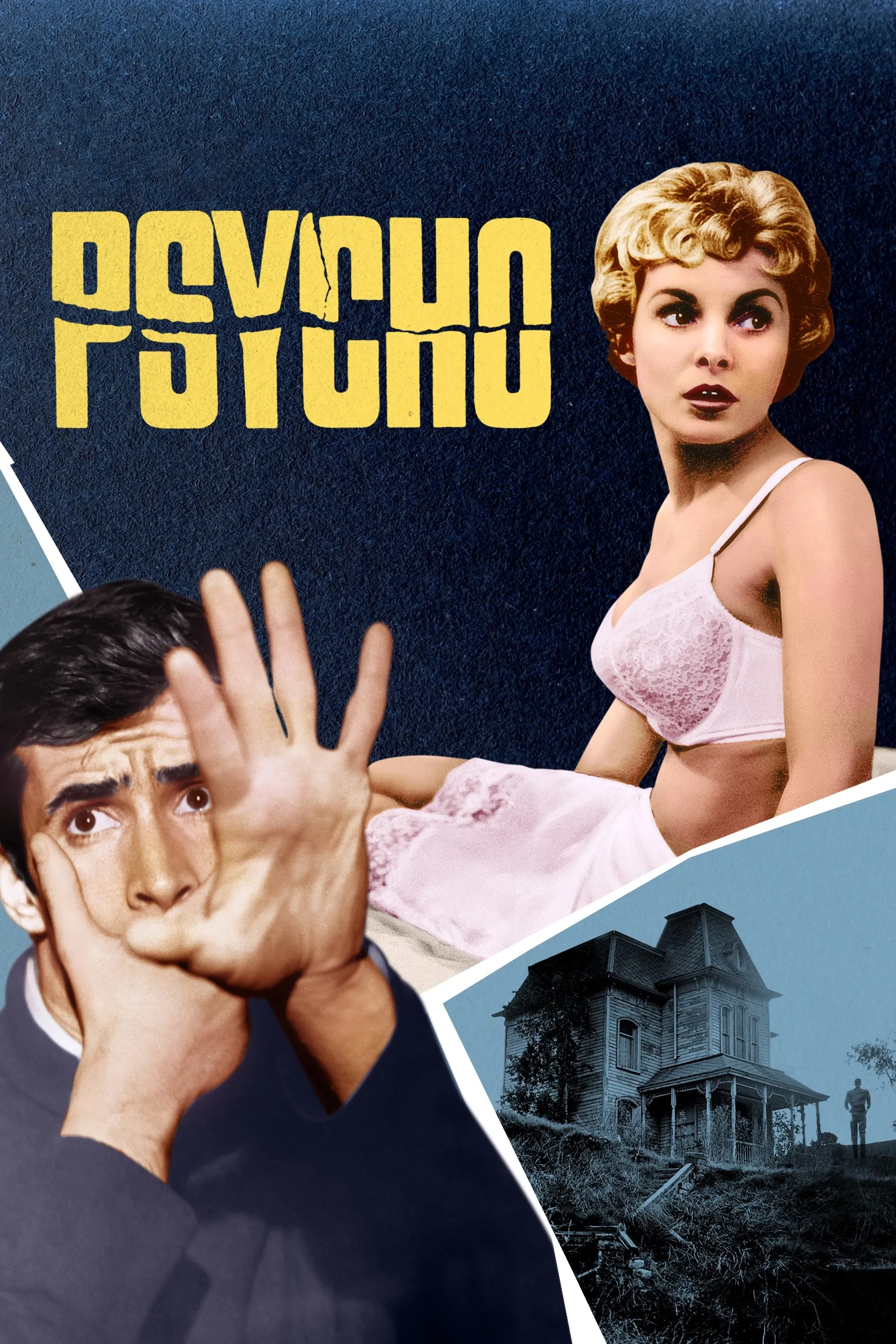
Psycho
Psycho is permeated with fragmentation that foreshadows the revelation of the division within Norman Bates’s psyche. The dissonance between sound and image throughout the film is one such element of fragmentation. The sound in the movie consistently serves to aggravate the viewer even when otherwise placid scenes are shown. I have chosen to discuss two scenes that are, at first glance, mundane – yet they illustrate the subtle effect of the disjunction of sound and imagery in Psycho. The first scene of import is the opening credits. It is easy to take the credits of a movie for granted, since they do not usually contribute to the plot – and they are external to the illusion of the movie-world. The credits focus the viewer’s attention on the actors rather than the characters; they do not serve to further the illusion of the story as reality. However, opening credits can contribute to the tone of a movie – by setting up a certain visual and aural style or pace. This is what occurs in Psycho.
The credits in Psycho are visually and aurally dissonant. The juxtaposition of sharp, disjointed music with the image of division prepares the viewer for the unsettling subject of the film. The opening sequence begins with a black screen that fades to grey. Horizontal black bars then slide in one by one from right to left until the screen is completely striped. White letters slide in on the black bars in neatly sliced sections. The grey lines slide out and black lines replace them. This slicing and sliding motion continues throughout the credits; sometimes horizontally, sometimes vertically. In the absence of music, this motion would probably be innocuous, like watching a puzzle break into pieces and reform itself. However, the music is disturbing – unsettling. It does not flow; rather, it jumps along as a wounded bird possessing an extremely sharp beak might – dangerous, yet lame. The clash of slashing sound and sliding images suggests that something is awry. The viewer senses instantly that the movie he/she is about to watch has some violence within.
The second scene in Psycho that illustrates the subtle power of a fractured sound-image relationship is the scene at the used car dealership. Throughout this scene, the camera maintains a tight hold on the car lot, Marion, and sometimes the salesman. Specifically avoiding showing the street and any movement other than people walking. Moving cars are only shown in the same frame as the cop who is lurking across the street. This has a somewhat claustrophobic affect on the viewer. When Marion pulls into the driveway of the dealership and opens her car door there are a few honks in the background, which fade to (mostly) silence. Slow, anticipatory music begins to play as she walks around her car and looks at her own, Arizona license and then at a California license, assumedly recognizing that it may benefit her to get a car with an in-state license. The music stops when the salesman begins to speak to her and the background noise gets louder. As the scene continues and Marion’s anxiety increases, the viewer’s anxiety begins to rise as well. The background noise, save for a couple of moments of music, is primarily the sound of a busy street. Honking is persistent in the background, alongside sounds of motors running and accelerating. The frequency and level of the noise is unusual, however, and exacts a feeling of agitation on the viewer. The cramped view that is given, of parked cars and anxious Marion, is offered a peculiar tension by this constant soundtrack of moving cars.
The juxtaposition of stationary cars alongside the sound of moving vehicles creates a great deal of emotional friction. It is frustrating to hear movement occurring and see only stillness (the parked cars in the lot). Similarly, the cars that are shown passing between Marion and the cop magnify the static feeling of the situation. The cop’s refusal to move is more evident when his stillness is shown against the speed of the cars passing by.
Both of the scenes I’ve covered; the credits and the car dealership, are examples of how subtle the effect of the relationship between music and image is at times in Psycho. Neither of these scenes would probably stand out as the most important in the movie, yet the dynamic tension that is present between what the audience hears and what they see sets the tone and premise for the rest of the film. The credits introduce the tone, while scenes like the dealership maintain it.
Sep 18, 2000